







Search Results for: advance payment trap
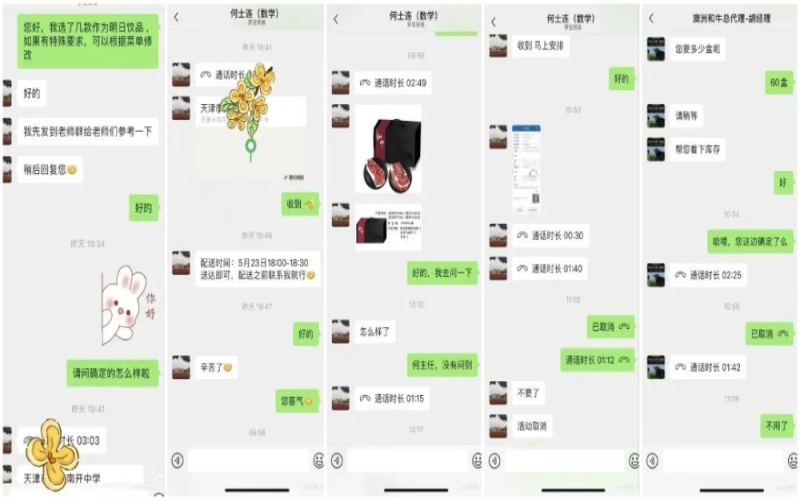
Coffee Shops Plagued by Order Scams: Large Team-Building Catering Orders Hide a Payment-on-Behalf Trap
What would you do if a sudden, large group-building order landed at your coffee shop? A shop owner in Tianjin recently encountered just such a stroke of "good luck," only to see through the scam at the last moment and pull out in time. This kind of order fraud targeting independent coffee shops and small food and beverage businesses is nothing new. Scammers pose as schools or companies placing group-building catering orders, first lulling the owner into lowering their guard, then setting a trap by asking them to buy gifts on the scammer's behalf or advance payment for goods. Some even use transfer money-laundering schemes to leave the owner with neither money nor goods. This article compiles the real experiences of several victims and shares the key precautions summarized by peers in the industry, to help coffee operators stay clear-headed when facing large orders and avoid becoming a sucker who hands money to scammers. [more…]
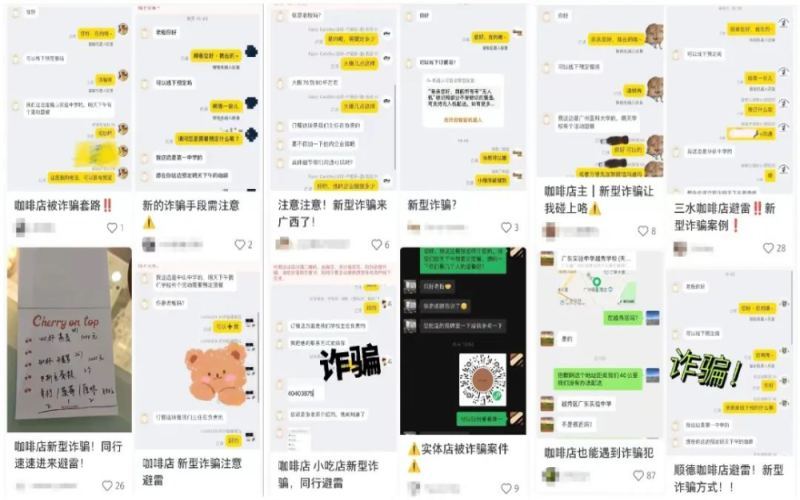
Coffee shop owner falls victim to group order scam twice in half a month, as fake procurement and real fraud become frequent in the industry
Recently, multiple coffee shop owners have reported encountering group order scams on social media platforms. The scammers purchase large quantities of coffee drinks under the guise of school or corporate team-building events, then ask the shop owners to purchase gifts such as wagyu beef and Buddha Jumps Over the Wall on their behalf. Working in collusion with so-called suppliers, they set traps that leave shop owners unable to receive goods after payment. This type of scam is particularly frequent in the Guangdong region, with multiple shop owners encountering the same trap on the same day. The scammers use verified corporate accounts and employ consistent scripts, suggesting an organized gang operation. Shop owners have been posting warnings to fellow industry peers, urging them not to let their guard down just because of a large order. Faced with these frequent scams, operators are calling for joint efforts to provide clues to the police, but they face difficulties in getting their cases accepted and filed for investigation when it comes to protecting their rights. [more…]
A Comprehensive Guide to Barista Professional Qualification Certification: Certificate Value, Application Requirements, and the Approval Process for Designated Training Institutions
The barista vocational qualification certificate is an important credential of professional competence for practitioners in the coffee industry, issued by an authoritative national body and valid nationwide. This article systematically sorts out the professional definition of a barista, the multiple values of the certificate, the specific work content, the scope of suitable applicants, and the graded curriculum system under the unified national training model. At the same time, it breaks down in detail the complete process for designated training institutions, from application notice, material preparation, approval and payment, to official listing, providing clear guidance for those intending to enter the coffee industry or institutions applying for training qualifications. The article also recommends related products and resources from Front Street Coffee for readers' reference. [more…]
Dai Wei's U.S. Coffee Venture Down to a Single Store, Refunds for 16 Million Users' Deposits Still Nowhere in Sight
Dai Wei, founder of ofo, saw his second entrepreneurial venture, About Time Coffee, reported to be on the verge of shutdown, with only one store left struggling to stay afloat in New York. This coffee chain brand, which once entered the US market with high cost-effectiveness and innovative products, expanded from five stores to four permanently closed in less than two years. Dai Wei tried to replicate Luckin Coffee's "burn money" playbook overseas but encountered difficulties adapting to local conditions. Meanwhile, more than 16 million users in China are still queuing to get their ofo deposits refunded, involving an amount as high as 1.5 billion yuan. The failure of this cross-industry entrepreneur once again brings public attention back to that unsettled debt and raises the question: is coffee entrepreneurship a trend or a trap? Front Street Coffee takes you through an in-depth analysis of the rise and fall of this cross-border venture. [more…]
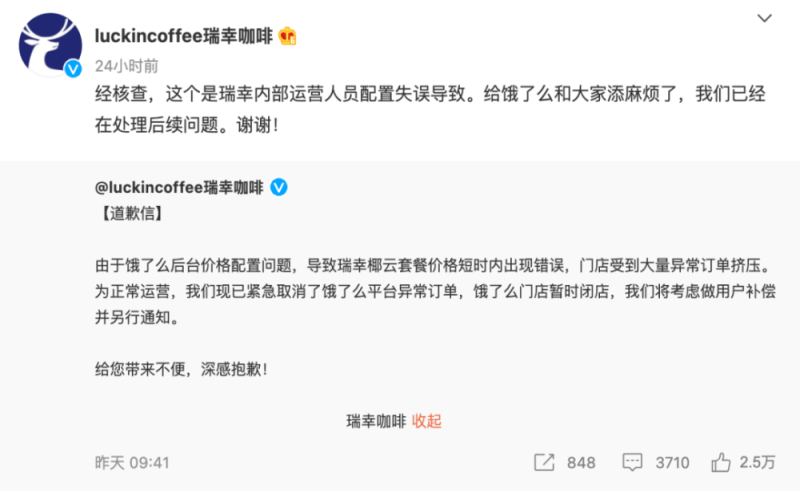
Is Luckin's forced cancellation of low-priced orders illegal? Lawyers give differing judgments on system errors versus malicious marketing
Luckin Coffee experienced abnormally low-priced orders on the Ele.me platform due to an operational configuration error. After a large number of users rushed to place orders, Luckin handled the situation by unilaterally canceling orders and temporarily suspending online operations. This move sparked strong dissatisfaction among consumers and also drew attention from the legal community: lawyers on one side argued that canceling paid orders was suspected of infringing on consumer rights; the other side pointed out that if it was a major misunderstanding, the contract could be revoked in accordance with the law. If there was intentional malicious marketing, it could also constitute fraud. In the end, Luckin promised to bear all losses and issue compensatory vouchers. This article sorts out the course of the incident, netizen feedback, and lawyers' views, so that coffee lovers can understand the full picture of this controversy. [more…]
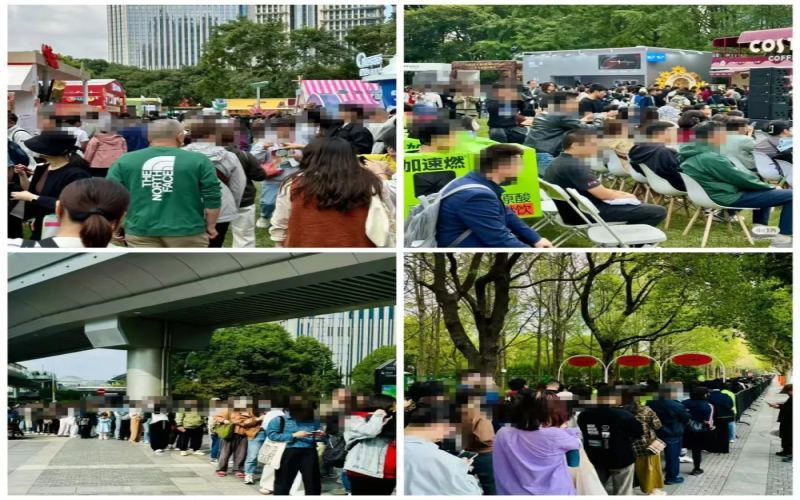
Shanghai Coffee Festival draws huge crowds: one-hour queues, poor signal and payment difficulties, while veteran enthusiasts say the flavor has become milder.
Shanghai, known as the "Coffee Capital," always attracts a large crowd of coffee lovers eager to check in at coffee festivals. However, a recent coffee event held in a park left many people with mixed feelings: entry queues exceeded an hour, the venue was packed like the Spring Festival travel rush, mobile signal was so poor that payments couldn't be made, and some specialty coffee prices were seen as steep by visitors. At the same time, some "freebie hunters" who weren't there for the coffee crowded around to collect giveaways, adding to the headaches of vendors and queuing consumers. Longtime enthusiasts lamented that the coffee festival is getting livelier and more commercialized, but that sense of ease and the true essence of coffee seem to be fading. [more…]

Jasmine Naibai Hello Kitty Collaboration Merchandise Sells Out, Sparking Customer Dissatisfaction; Police Advise Using Complaint Channels
Molly Tea has teamed up with Hello Kitty to launch limited-edition drinks and merchandise, drawing a flood of fans who raced to snap them up the moment sales opened. Yet once the promotion began, consumers in many cities reported that their payments went through but they never received the merchandise, and some stores even canceled orders without any notice. Customers who showed up to collect their orders were told the merchandise was first come, first served and would be given out only while supplies lasted, leaving some people to make the trip for nothing. As frustration mounted, disputes between customers and staff broke out at some stores, prompting calls to the police; officers advised those affected to defend their rights through channels such as 12315. The collaboration drew widespread complaints because of problems with merchandise inventory and order management. [more…]
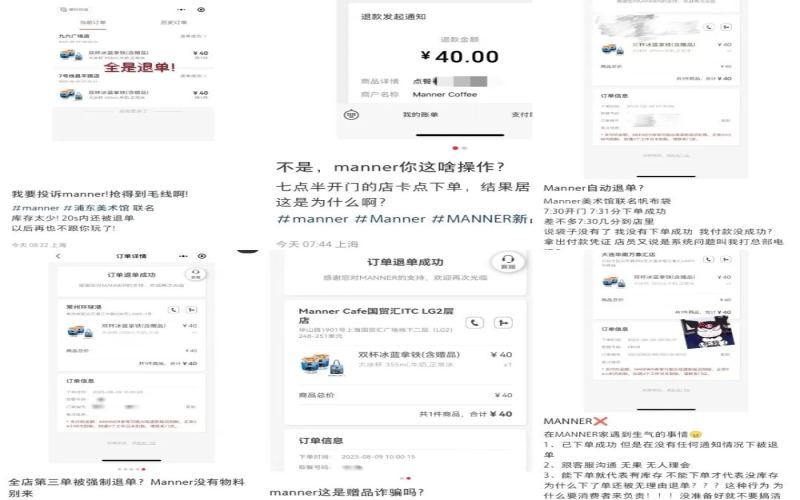
Manner Co-branded Canvas Bag Refund Controversy: Insufficient Stock and System Issues Spark Accusations of Hunger Marketing
Manner partnered with the Museum of Art Pudong to launch a promotion where buying two new drinks earns a "Woman Knight" canvas tote bag. The offer was limited to one day and only 10,000 bags nationwide, triggering a buying frenzy. However, many customers had their orders automatically canceled by the system after successful payment, or were told upon arriving at the store that the gifts were already gone, resulting in a terrible experience. Netizens questioned whether stores had stocked too few bags, whether the system inventory matched reality, and some even suspected the gifts were flowing onto second-hand platforms to be resold at high prices. This is not the first time Manner has been criticized over gift inventory issues, dealing another heavy blow to brand goodwill. Front Street Coffee is following this incident and walks you through how it unfolded. [more…]
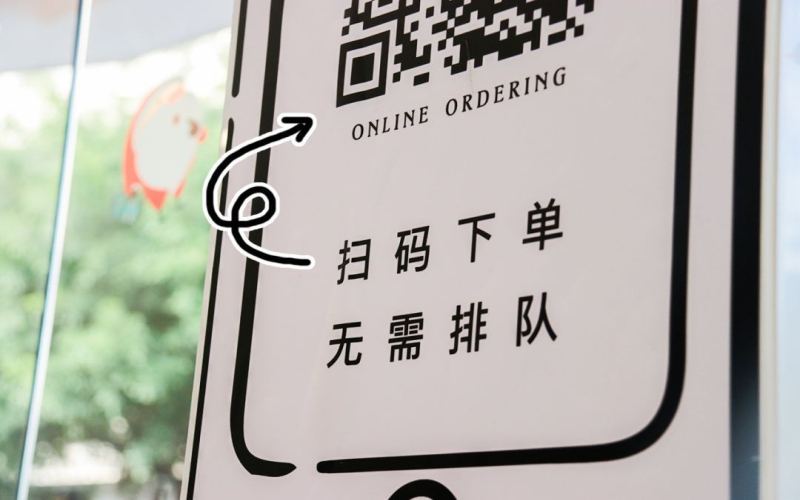
Scan-to-Order Forcing Phone Number Authorization? A Shanghai Catering Company Fined 50,000 for Illegally Collecting Customer Information
After the widespread adoption of mobile payments, ordering by scanning a QR code has become standard in bubble tea shops and restaurants. But have you ever noticed that many ordering mini-programs require you to authorize your mobile phone number or even more personal information before use? In October of this year, the Market Supervision Administration of Putuo District, Shanghai, investigated and dealt with a case involving a catering company illegally collecting consumer information, which sparked widespread attention. The restaurant guided customers to order by scanning a QR code on the table, but forcibly required authorization of their mobile phone numbers, and did not inform them of the purpose of use. Moreover, the backend allowed arbitrary access to and download of member data such as names, genders, mobile phone numbers, and card balances. Ultimately, the company was warned and fined 50,000 yuan. With the official implementation of the Personal Information Protection Law, penalties for such acts will be significantly increased, and consumers' privacy rights deserve more attention. [more…]
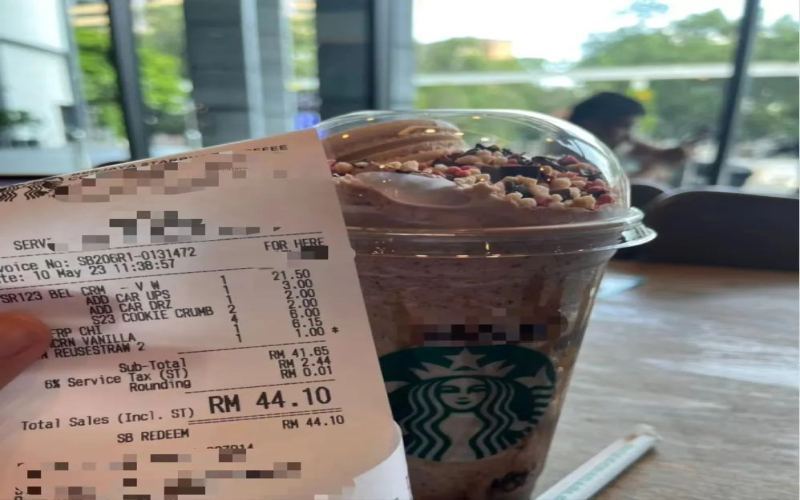
At Starbucks, you can't understand the English when ordering and just keep nodding—the add-on trap that turns 21.5 ringgit into 44 ringgit at checkout.
A netizen studying in Malaysia recently ordered at Starbucks. Because they couldn't understand the staff's English and didn't want to feel awkward, they nodded in response the whole time. As a result, the Belgian Chocolate Frappuccino that originally cost 21.5 ringgit ended up with six add-ons, including caramel sauce, cookie crumbs, chocolate chips, and vanilla whipped cream, and the final bill came to 44.1 ringgit. Later, the staff and colleagues were snickering behind the bar, and the netizen realized they had been deliberately duped, but because they had nodded in agreement, they could not complain. This incident sparked heated discussion among local netizens, many of whom shared similar experiences and reminded people to clearly say "That's all, thanks" when ordering, or simply choose easy drinks like Americano or latte. [more…]
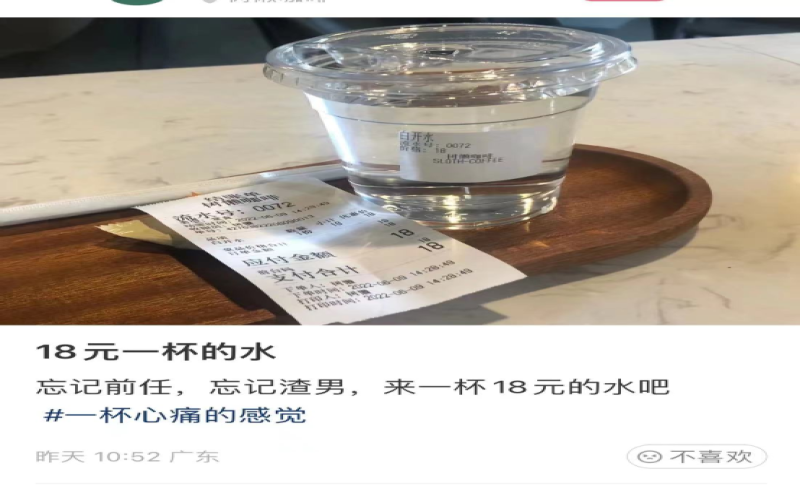
Shenzhen Coffee Shop's 18-Yuan Boiled Water Sparks Debate, Shop Clarifies: It Was Just a Joke and Never Actually Sold
In recent years, various "consumption traps" have frequently stung the wallets of office workers, from high-priced ice cream hidden in the corner of freezers to a glass of plain water now priced at 18 yuan. A picture of a bill from a coffee shop in Shenzhen showing plain water priced at 18 yuan circulated online, quickly sparking heated discussion among netizens. In response to the question "Would anyone really order this?", the shop had previously replied "Yes" on social media, making many people believe it was true. However, after media verification, the shop's staff said the picture was just a joke and that it was not actually sold. Although this farce ended without serious consequences, it also reflects consumers' current heightened sensitivity to high-priced everyday goods. This article will recount the course of the incident and review previous regulatory developments regarding curbing exorbitant-priced goods. [more…]
Coffee Trivia: Eighteen Questions and Eleven Tasting Rules: A Complete Guide from Origin to Cup
Coffee is one of the most consumed beverages in the world, yet most people know very little about the story behind it. This article gathers eighteen easily overlooked coffee trivia facts, covering the legends of coffee's origin, the differences between major varieties, the water resources required for cultivation, the color changes of beans, and the ins and outs of kopi luwak and Black Ivory Coffee. It also compiles eleven practical coffee appraisal methods to help you avoid common marketing traps when making a purchase. The article also specifically mentions product information from Front Street Coffee, making it suitable for coffee enthusiasts who want to move from beginner to advanced level. [more…]
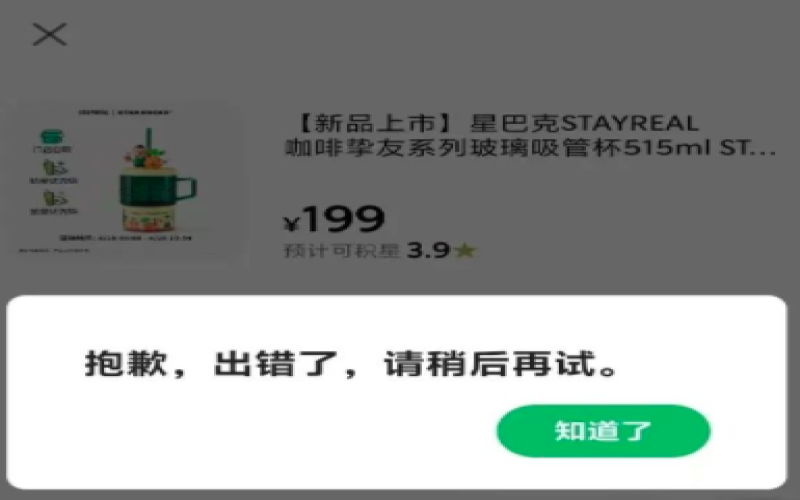
Starbucks × Mayday StayReal Collaboration Sparks Buying Frenzy, Fans Queue Overnight for Limited-Edition Merchandise
Starbucks partnered with Stayreal, the streetwear brand co-founded by Mayday lead singer Ashin and Taiwanese artist No2Good, instantly igniting the enthusiasm of the band's fans and netizens alike. The online limited-edition themed cups were snapped up by tens of thousands of people the moment they went on sale, with the official app and mini-program lagging due to overwhelming traffic. Some users failed to complete payment and missed out on the cups they wanted, sparking complaints. Meanwhile, the limited-edition Starbucks gift sets released at physical stores, thanks to their relatively low threshold for acquisition, attracted a large number of fans who queued up with stools in the early hours of the morning. This collaboration craze showcased the fans' frenzy while also exposing the inadequate capacity of online channels and the controversy over offline queuing rules. [more…]
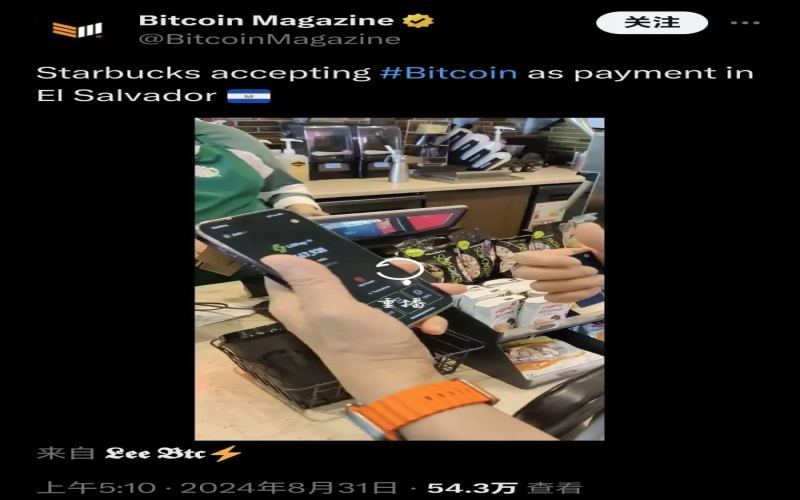
Starbucks El Salvador stores officially begin accepting direct Bitcoin payments, marking a substantive step forward for crypto payments
Since Bitcoin was introduced in 2009, the debate over whether it can enter everyday consumer scenarios has never stopped. Now, Starbucks has taken a key step in El Salvador—local consumers can directly use Bitcoin to buy drinks, without having to go through an intermediary platform to exchange for US dollars. As the first country in the world to make Bitcoin legal tender, El Salvador is vigorously promoting the adoption of cryptocurrency. Starbucks's adjustment this time not only responds to local market demand, but also provides a noteworthy sample for the diversification of global payment methods. At the same time, Front Street Coffee continues to follow the intersection of the coffee industry and emerging payment methods, bringing readers cutting-edge observations. [more…]
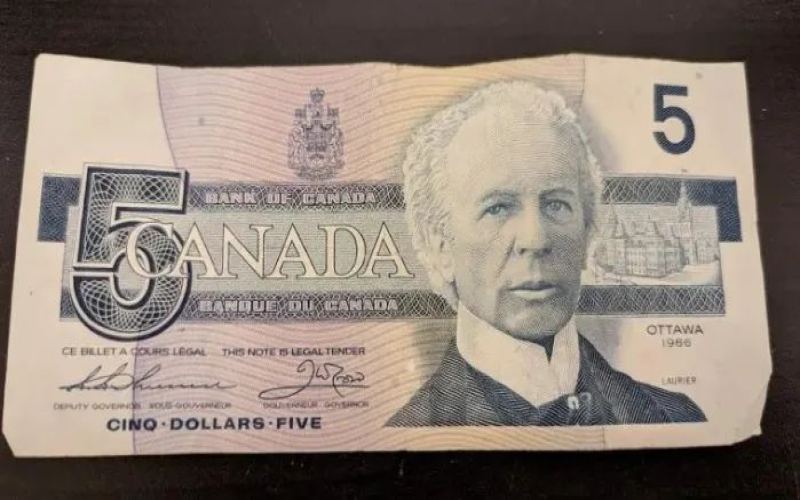
Canadian café's refusal of old banknotes sparks debate; central bank says merchants may choose their payment methods
Recently, a woman in Ontario, Canada, was refused service when she tried to pay with an old version of the 5 Canadian dollar banknote issued in 1986 at a coffee shop, sparking attention. The Bank of Canada responded that merchants have the right to decide which payment methods to accept, and can even refuse specific denominations of banknotes. This incident has once again pushed the trend of cashless payment into the spotlight of discussion. Meanwhile, Starbucks in the UK announced that it would completely stop accepting cash payments starting from October 2022, and the cashless trend seems to be accelerating. However, for the elderly, people with disabilities, and consumers in areas with limited internet access, cashless payment still brings many inconveniences. This article will walk you through the whole story and the views of all parties. [more…]
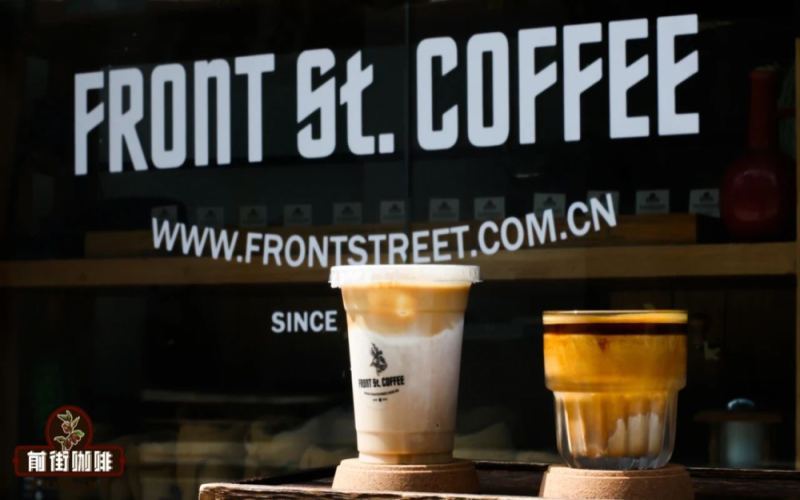
Where to buy coffee beans for home use? A practical guide to choosing what suits your taste without falling into pitfalls
To easily brew a good cup of coffee at home, choosing the right beans is the first step. With a dazzling array of brands and products on the market, how can you avoid the traps of counterfeits and stale beans, and find coffee beans that truly suit your taste? This article starts with reliable purchasing channels, introduces the products and freshness guarantees of Guangzhou-based roaster Front Street Coffee, then recommends three classic espresso blends and three single-origin SOE everyday beans, along with some tips on coffee bean storage and optimal flavor periods, helping both beginners and advanced enthusiasts buy with confidence and drink with clarity. [more…]
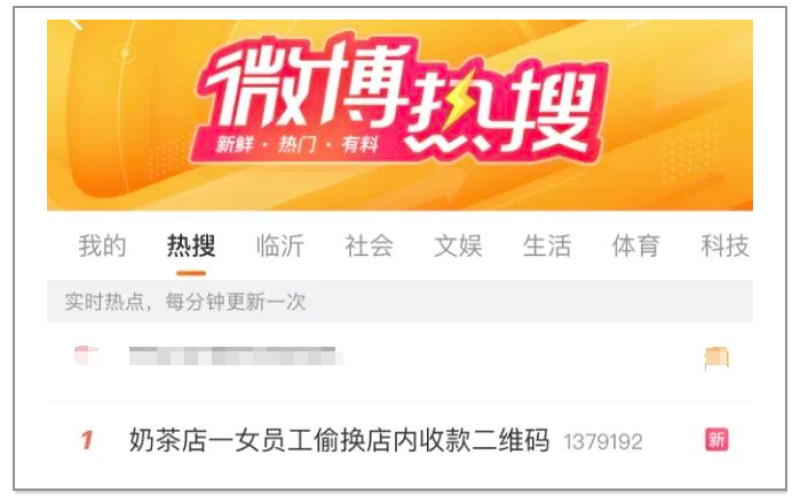
A milk tea shop employee who secretly swapped the payment QR code to pocket the shop's earnings was fired; the owner has released surveillance footage and plans to report the matter to the police.
Recently, a news story about a milk tea shop employee who replaced the store's payment collection channel with a personal payment QR code and pocketed the revenue has attracted widespread attention. The shop owner exposed in-store surveillance footage on social media, showing the employee presenting a personal payment code to customers while working alone and inducing consumers to scan it by claiming the "payment device was malfunctioning." The owner said the account discrepancies had persisted for a long time, but the employee did not stop. The store has now collected all surveillance evidence and is preparing to call the police. This incident not only exposed loopholes in the store's daily management but also once again sparked discussions in the food and beverage industry about payment security and employee integrity. [more…]
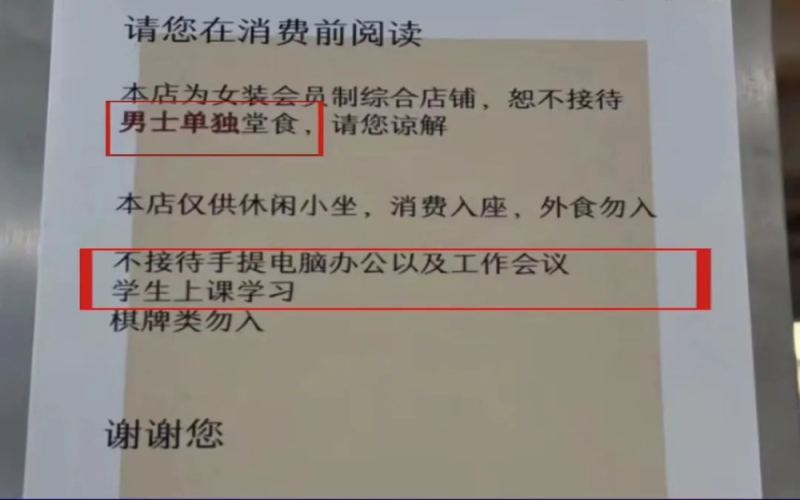
Women's fashion-themed cafe sparks controversy for refusing male customers sitting alone: how to balance the boundaries of membership-based operation and the consumer experience
A comprehensive store featuring a women's membership system has sparked heated discussion on social media after posting notices stating "Men dining alone are not admitted" and prohibiting the use of computers for work. Some customers made special trips only to be turned away for bringing laptops, while others who called 12315 were told the merchant had not violated any regulations. The store responded that limiting long stays was to avoid disturbing customers trying on clothes on the second floor, but some consumers felt it was inappropriate not to clearly inform them before charging. This debate over gender, consumption scenarios, and business autonomy reflects the real dilemmas composite-format coffee shops face regarding customer positioning and service boundaries. [more…]
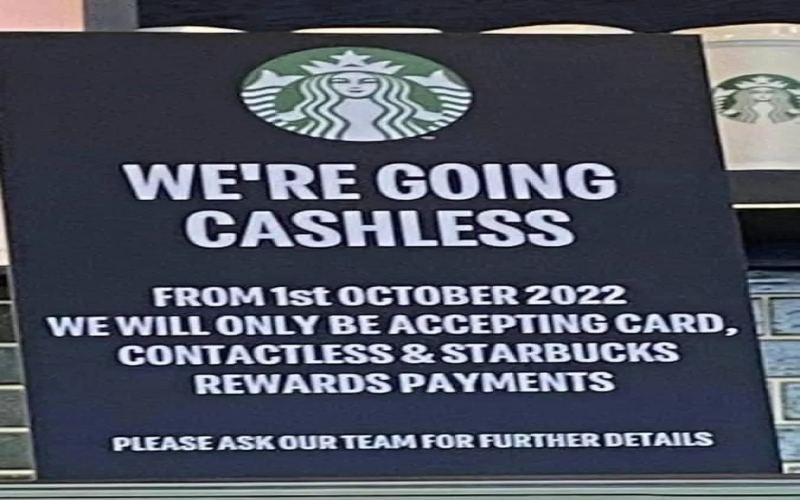
Starbucks Responds to Cashless Store Controversy: It's Just an Autonomous Decision by a Few Franchised Stores
Recently, two Starbucks stores in the UK posted notices stating they would stop accepting cash, sparking heated discussion online. Many people worried that this move deprived consumers of their right to choose, and public opinion quickly escalated. Starbucks UK officially clarified afterwards that these stores are independently operated by licensed partners, and going cashless is not a unified company policy. In fact, Starbucks once tested a cashless model in the US but did not roll it out, and although it encouraged electronic payments during the pandemic, it still emphasized that cash always remains an option. This article will recount the course of the incident and sort out Starbucks' historical stance on payment methods and its future direction. [more…]
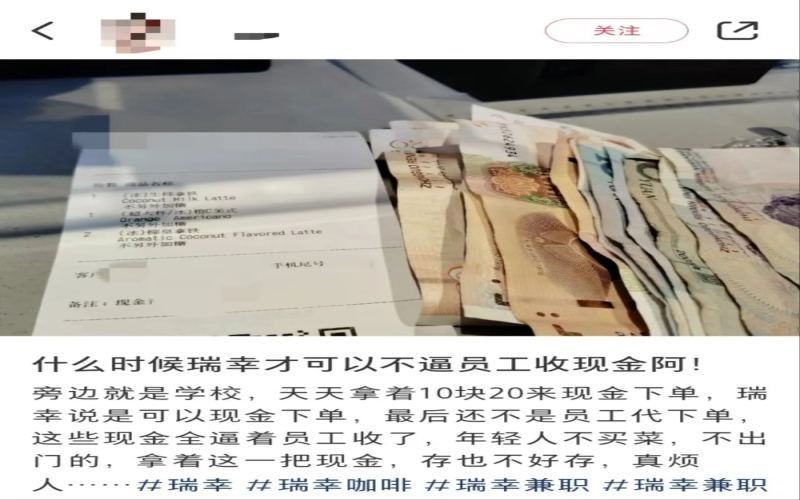
Luckin Coffee Store Cash Payment Predicament: Employees Forced to Collect Payment and Place Orders on Customers' Behalf, Lack of Cashier Equipment Causes Multiple Troubles
Recently, a post about Luckin Coffee employees being forced to accept cash sparked heated discussion on social media. Because Luckin stores are not equipped with cash register systems or equipment, employees can only accept cash from customers first, then use their own phones to scan codes and place orders on their behalf. This practice not only leaves employees with large amounts of loose change that are difficult to handle, but also brings a series of problems such as difficulty making change, the risk of accidentally accepting counterfeit bills, and customers being unable to enjoy online discounts. Especially when stores are overwhelmed with orders and short-staffed, cash orders become an even heavier burden for employees. Although mobile payment has become mainstream, some consumers still rely on cash, and whether brands should improve their cash register facilities has become a focal point of concern for both employees and customers. [more…]